
Conference shines light on hidden domestic abuse in later life
One of society’s last remaining social taboos has been brought into focus at a conference held in Wiltshire.
The event, Domestic Abuse in Later Life, was jointly held by the Office of the Police and Crime Commissioner for Wiltshire and Swindon with Wiltshire Council and brought together charities, local services and national campaigners to look at a problem that speakers said continues to sit largely out of sight.
Around 700,000 people aged over 60 are estimated to experience domestic abuse each year in the UK, although the real number is likely to be higher; partly because many older people do not report what is happening to them. Those working in the sector say people may not recognise abuse after years of living with it or may feel unable to speak out because of dependence on a partner or family member.
Maria Milton is the strategic lead for victims and vulnerability at the Office of the Police and Crime Commissioner for Wiltshire and Swindon:
“It’s clear from the statistics and real-world evidence that there is a large proportion of people who are under immense pressure and suffering in silence.
“Events like this give professionals the opportunity to learn from each other and identify how we can work better to improve the service we provide to one of our most vulnerable groups.
“With over a hundred people in the room sharing the same goal, it’s important we use our collective experience to identify how we communicate more effectively together as partners and with victims of domestic abuse.”
One of the key messages from the day was how easily older victims can be overlooked. Until recently, national data didn’t include people over 75, which helped reinforce the idea that domestic abuse is mainly an issue affecting younger women.
At the same time, the wider picture shows how common abuse is. One in four women will experience domestic abuse during their lifetime, and campaigners stressed that this does not simply stop at a certain age, it just becomes less visible. Research from Age Concern also shows that men count for 30% of domestic abuses cases in people aged 60 and over.
Cllr Clare Cape, Wiltshire Council Cabinet Member for Public Health and NHS Co-ordination said:
“Domestic abuse can affect people of any age, and it is important that older adults know they are not alone and support is available. Abuse can take many forms, including emotional, physical, financial and controlling behaviour, and too often older people suffer in silence. We are committed not only to supporting victims and survivors, but also to preventing domestic abuse from happening in the first place through the funding and support we provide to local services and community initiatives across Wiltshire.
“We want to raise awareness, encourage conversations, and reassure anyone affected that help is there for them, whether for themselves, a family member, friend or neighbour. Everyone deserves to feel safe, respected and supported at any stage of life.”
Speakers also talked about how abuse in later life can look different. In some cases it involves long term relationships where controlling behaviour has built up over many years. In others, it can involve adult children or other relatives, particularly where there are issues around care, money or housing.
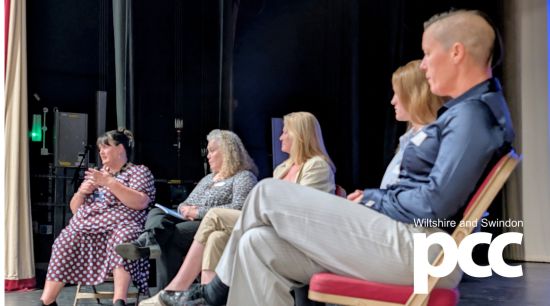
Kerry Hearsey MBE, chief executive of The Princess Royal Trust for Carers in Hampshire, said the line between care and control can be hard to see. Many people do not think of themselves as carers, instead seeing what they do as part of everyday family life, which can make it harder to spot when something is wrong.
Research discussed at the conference highlighted how complicated these situations can be. Abuse can happen within caring relationships, and in some cases people providing care may also be experiencing harm themselves.
Hetti Barkworth‑Nanton CBE, chair of trustees at Refuge, spoke about the wider national picture and the need to keep bringing the issue into the open. She told the audience that older victims often face extra barriers when trying to get help, including relying on the person causing harm, worrying about losing their home, or not being believed:
“This is a such a complex issue that transcends health and care, policing, and provision services like old people's homes and hospices. No one single organisation can solve this.
“It's such a relief to walk into a room and see all these organisations asking each other for their contact details and actively coming together. in groups. But this has got to be the start of a conversation and not just in this aspect of domestic abuse, but right across Wiltshire, we just need to be creating those opportunities and those environments where it's a lot more joined up.”
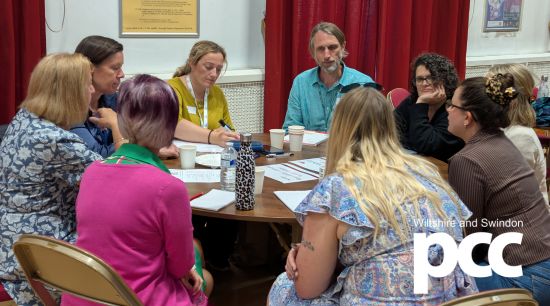
Sessions led by the Wiltshire based charity FearFree focused on what professionals can do differently. Delegates heard that domestic abuse is usually not a single incident, but a pattern of controlling and coercive behaviour, which can include emotional, financial or psychological abuse as well as physical violence.
The organisation, which supports thousands of people each year across the South West, said responses need to better reflect the realities of older people’s lives, where health, isolation and long-standing relationships can all play a part.
Debbie Beadle is their CEO:
“Day after day, we see the unique challenges and barriers people in later life face when seeking support. From employing specialist staff to using accessible digital tools, we are committed to removing these barriers and shaping our services to the needs of older people.
“Today’s conference is vitally important as we stand alongside our partners to break down barriers and identify new ways to ensure that older people receive the dignified and caring support they deserve.”
The conference ended with a panel discussion and questions from the audience, focusing on what needs to happen next.
There was broad agreement on one point, that domestic abuse does not have an age limit, even if it is still not talked about in that way. Organisers said the event was an important step in making sure older victims are no longer overlooked.
Published Tuesday 16 June 2026
Recent News
-

Plans confirmed to invest £5.3m in victim support, crime prevention and community safety
Wednesday 10 June 2026
-

Home Office funding to support targeted action on serious violence in Wiltshire and Swindon
Monday 8 June 2026
-
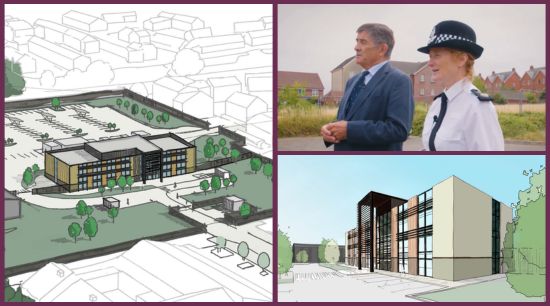
Community engagement to begin after land secured for new Southern Policing Hub
Monday 1 June 2026


